
7 Warning Signs Your Utility Truck's Hydraulic System Needs Service
A practical guide for catching hydraulic trouble before it turns into extended downtime.
Hydraulic problems rarely improve on their own. A small leak becomes a low-fluid condition. A worn hose fails under pressure. A cylinder that drifts today can put a truck out of service tomorrow.
The best time to address a hydraulic issue is when the first warning sign appears. Operators and maintenance teams do not need to diagnose every component in the field, but they should know what changes deserve a closer look.
Here are seven signs that it is time to schedule hydraulic service.
You See Hydraulic Fluid Where It Should Not Be
Wet fittings, oil on a cylinder rod, fluid beneath the truck, or a damp hose cover all deserve attention. Even a slow leak can lower the reservoir level, attract dirt, create a slip hazard, and make it harder for the system to hold pressure.
Look around hose crimps, fittings, valve bodies, cylinders, and the pump area during routine inspections. A clean system is easier to monitor because new seepage stands out.
Do not use your hand to search for a pressurized leak. High-pressure fluid can penetrate skin. Follow the equipment manufacturer's shutdown and depressurization procedures, and leave pressure testing and repair to qualified personnel.
Hoses Show Cracks, Abrasion, Bulges, or Hardening
A hose does not have to be leaking to be near the end of its service life. Cracked covers, exposed reinforcement, flattened areas, bulges, sharp bends, and rubbing against nearby components are all warning signs.
Heat and age can also make a hose hard or brittle. Pay close attention to routing near exhaust components, pinch points, and moving structures. If a hose is damaged or no longer routed correctly, have it evaluated before the truck returns to regular work.
The System Sounds Different
Operators learn the normal sound of their equipment. New whining, knocking, rattling, or chattering is worth reporting. Unusual noise may point to low fluid, air entering the system, a restricted filter or line, pump wear, or another condition affecting flow.
Noise alone does not identify the failed component. It does provide a useful early warning. Record when the sound occurs, which function is being used, and whether it changes as the system warms up. Those details can shorten the diagnostic process.
Hydraulic Functions Run Slowly or Unevenly
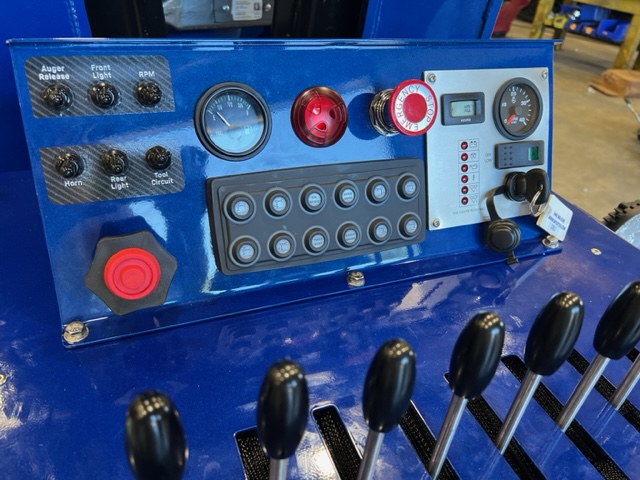
A boom, outrigger, winch, or other hydraulic function that moves slower than normal may be losing flow or pressure. Jerky movement, hesitation, speed changes, or a function that performs differently in one direction can also indicate a developing problem.
Possible causes range from low or contaminated fluid to filter restriction, valve trouble, cylinder wear, pump issues, or an electrical control fault. Avoid compensating by repeatedly cycling the controls. Schedule a systematic diagnosis before the symptom gets worse.

The System Runs Hot
Hydraulic systems generate heat, but a noticeable rise above the truck's normal operating condition should not be ignored. Excess heat can reduce efficiency and accelerate damage to fluid, seals, hoses, pumps, and other components.
The cause may involve restricted flow, low fluid, contamination, a cooling problem, an incorrect fluid, or a component working harder than it should. Temperature limits vary by truck and hydraulic system, so compare readings with the manufacturer's guidance rather than relying on a universal number.
A Cylinder or Load Drifts
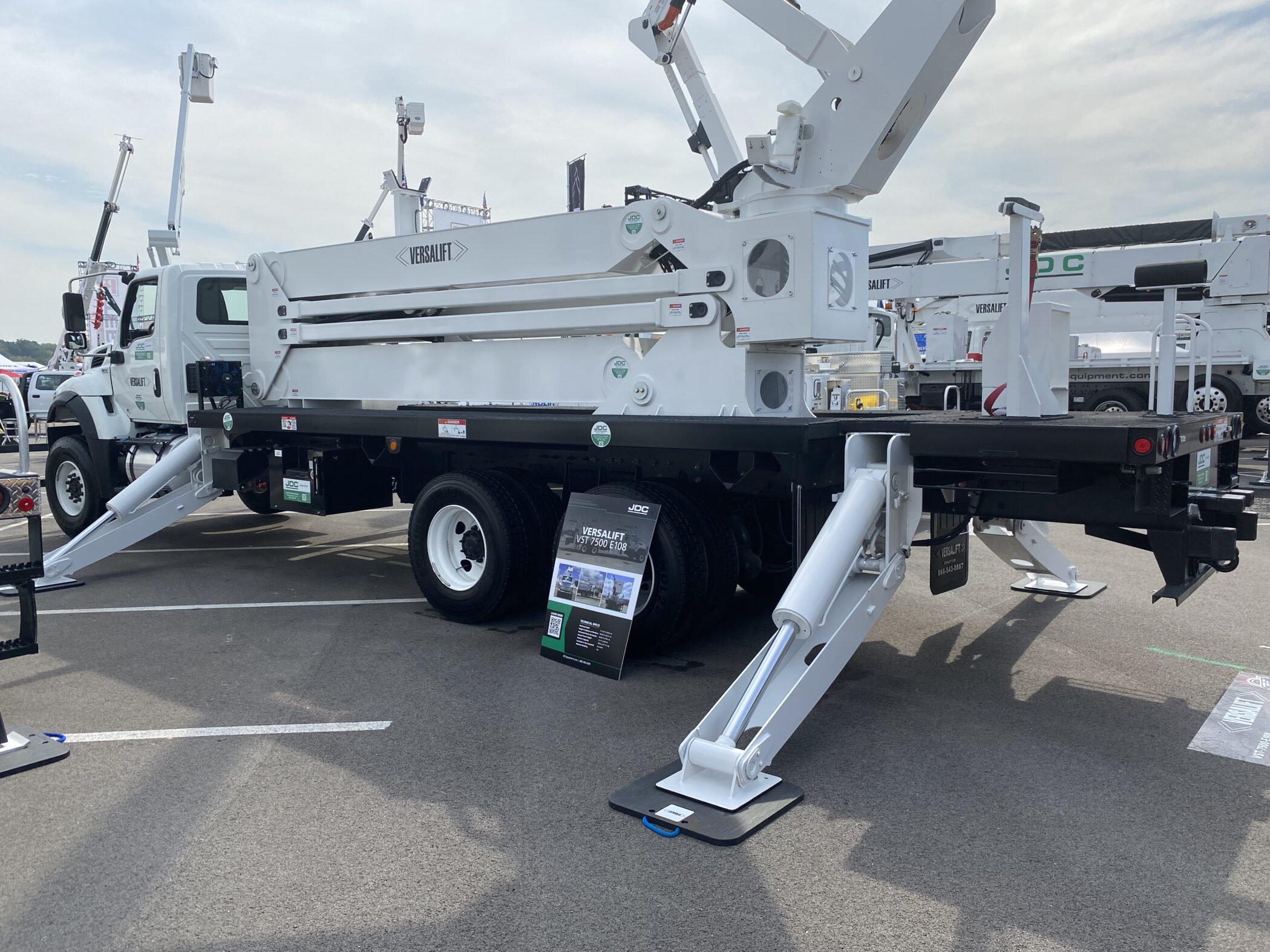
Movement after the control returns to neutral can indicate internal leakage through a cylinder, valve, or another part of the circuit. The operator may notice an outrigger settling, a boom changing position, or a cylinder failing to hold as it once did.
Drift is not something to work around. Remove the equipment from service when its condition affects safe operation, secure it according to company and manufacturer procedures, and have the system inspected by a qualified technician.
The Hydraulic Fluid Looks or Smells Wrong
Hydraulic fluid can reveal what is happening inside the system. Dark fluid or a burned odor may indicate overheating or oxidation. A milky appearance can point to water or entrained air. Foam, visible particles, or deposits can indicate contamination or another condition that needs investigation.
Do not assume that topping off the reservoir will correct degraded or contaminated fluid. Follow the truck and component manufacturers' requirements for the correct fluid, filter, sampling, and change intervals. If the system has suffered a component failure, ask whether flushing or fluid analysis is appropriate before replacement parts go into service.
What to Record Before You Call for Service
Good information helps a technician narrow the problem faster. Before calling, note:
- Which hydraulic function is affected.
- Whether the problem occurs when the system is cold, warm, loaded, or unloaded.
- Any unusual sound, odor, heat, leak, or change in movement.
- Recent hose, cylinder, filter, fluid, or component work.
- The truck, body, and hydraulic equipment make and model information.
Get the Truck Checked Before a Small Issue Becomes Downtime
UTE handles hydraulic troubleshooting, hose replacement, component service, and hydraulic cylinder repair. Our Circleville, Ohio hydraulic shop performs cylinder repacking, rebuilding, rod repair, and machining. Mobile service is available regionally across Ohio, Indiana, and Kentucky when the location, repair scope, and technician schedule allow.
If your utility truck is leaking, drifting, running hot, moving slowly, or simply does not sound right, call the UTE Parts & Service Department at 740-500-1189. We will help you determine the practical next step and get the repair process moving.